

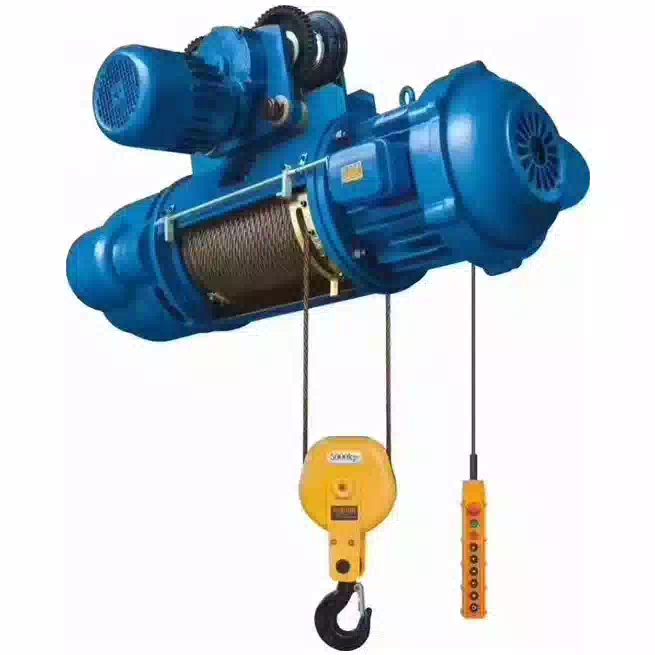

In the intense, demanding world of metal casting and foundry operations, efficiency and safety aren't just goals—they are absolute necessities. The heartbeat of material handling in this challenging environment is a specialized piece of equipment: the
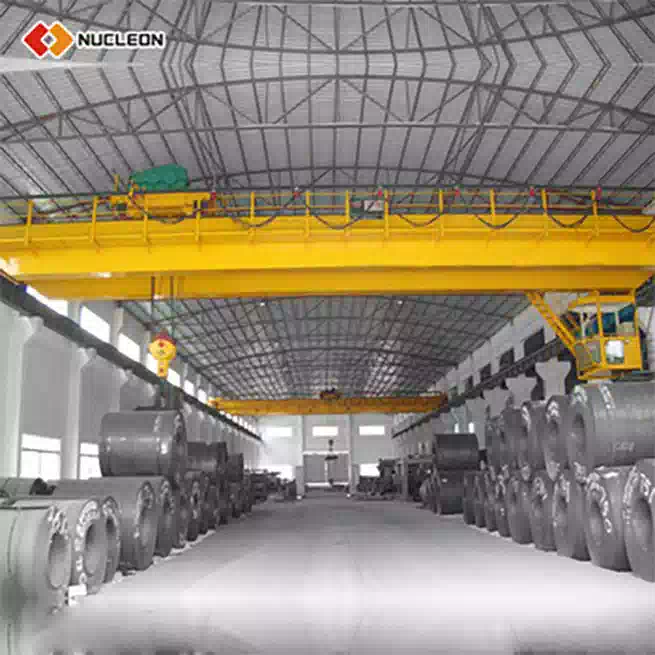
In the intense, demanding world of metal casting and foundry operations, efficiency and safety aren't just goals—they are absolute necessities. The heartbeat of material handling in this challenging environment is a specialized piece of equipment: the Foundry Overhead Crane. More than just a crane, it is a robust, engineered solution designed to withstand the harshest conditions while moving massive, often molten, loads with critical precision.
This guide delves into why a dedicated foundry overhead crane is indispensable, its key features, and what to consider when selecting one for your facility.
The Foundry Environment: A Perfect Storm of Challenges
Foundries present unique obstacles that standard overhead cranes simply cannot handle:
Extreme Heat: Proximity to furnaces, ladles, and cooling castings exposes equipment to radiant and conductive heat.
Abrasive Dust & Particulates: Sand, silica, and metallic dust permeate the air, accelerating wear on mechanical components.
Corrosive Agents: Moisture, chemical binders, and temperature fluctuations promote rust and corrosion.
Heavy & Critical Loads: Moving ladles of molten metal is a high-stakes operation where load integrity and control are non-negotiable.
High Duty Cycles: Operations often run continuously, requiring equipment with exceptional endurance and minimal downtime.
A general-purpose crane would quickly degrade, becoming a safety risk and a maintenance nightmare. A foundry-grade crane is built specifically to thrive here.
Key Features of a True Foundry Overhead Crane
When specifying a crane for foundry applications, look for these critical design elements:
1. Heavy-Duty Construction & High Capacity:
Foundry cranes are built with reinforced girders, often using box-girder designs for superior strength and rigidity. They are rated for Class D (Heavy Duty) or Class E (Severe Duty) service classifications, accounting for the intense, frequent use. Capacities regularly range from 20 tons to well over 100 tons for large-scale operations.
2. Advanced Heat Protection Systems:
Heat Shields: Protective barriers installed on the bridge girders and trolley to block radiant heat from the ladle or furnace below.
Specialized Insulation: High-temperature insulation for the wire rope and critical electrical components.
High-Temperature Components: Use of heat-resistant steel, specialized lubricants, and motors with higher insulation classes (e.g., Class H) to prevent failure.
3. Contamination & Dust Defense:
Enclosed Systems: Fully enclosed conductor systems (like festoon or enclosed busbars) prevent dust from disrupting power supply.
Sealed Components: Gasketed and sealed limit switches, gearboxes, and motor housings keep abrasive particulates out.
Wheel & Rail Guards: Minimize the accumulation of debris on the runway rails.
4. Precision Control & Safety for Molten Metal Handling:
Smooth Control Systems: Variable Frequency Drives (VFDs) are essential. They provide micro-speed control for gentle, precise positioning of ladles, preventing dangerous slag spillage or splash.
Fail-Safe Braking: Redundant and dual braking systems on both the bridge and hoist ensure positive load holding.
Ladle Hooks & Safety Latches: Specifically designed forged steel hooks with mandatory safety latches to secure the ladle bail.
5. Enhanced Durability & Maintenance Access:
Corrosion-Resistant Finishes: Durable paint systems, often epoxy-based or zinc-rich primers, protect against corrosion.
Easy Maintenance Design: Modular components and accessible lubrication points facilitate quicker inspections and servicing, maximizing uptime.
Types of Foundry Cranes
Ladle Cranes: The most critical type. These are double-girder cranes dedicated to transporting ladles of molten metal from the furnace to the pouring area. They feature the highest level of heat protection and control precision.
Charging Cranes: Used to load scrap metal, pig iron, and alloys into the furnace. Built for heavy, abrasive loads.
Mold Handling Cranes: Used for moving sand molds, cores, and finished castings within the cleaning and finishing departments.
Choosing the Right Foundry Crane: A Checklist
Capacity & Duty Cycle: Determine not just the maximum weight, but the frequency of lifts. Specify the correct FEM or CMAA duty class.
Span & Lift Height: Accurately measure your bay and required hook travel.
Level of Heat Exposure: Define the crane's proximity to heat sources. This will dictate the level of shielding and insulation required.
Control Requirements: Insist on VFD controls for all movements involving molten metal. Consider radio remote controls to allow the operator to position themselves safely away from heat and fumes.
Regulatory Compliance: Ensure the crane design meets all relevant local and international standards (OSHA, ANSI, CMAA, FEM).
Reputable Manufacturer: Partner with a crane builder experienced in foundry applications. Their engineering expertise is crucial for safety and longevity.
Investment in Safety, Productivity, and Uptime
A properly specified and maintained foundry overhead crane is not an expense; it's a strategic investment. It directly enhances:
Safety: Protecting your most valuable assets—your people and facility.
Productivity: Enabling faster, more reliable cycles in the casting process.
Product Quality: Precise pouring control leads to higher-quality castings with less waste.
Total Cost of Ownership: Durable, purpose-built equipment reduces unexpected breakdowns, costly repairs, and production stoppages.
Conclusion
In the crucible of foundry operations, your overhead crane is a pivotal partner. Choosing a foundry-specific overhead crane engineered for extreme heat, contamination, and severe duty is the definitive step toward achieving a safer, more efficient, and more profitable foundry floor. Don't compromise—specify the strength, protection, and precision that only a true foundry crane can provide.
HI! Parter
Regarding your actual requirements, are you still unsure about which suitable crane to choose? Please contact our professional team immediately forfree consultation and personalized quotations. We will provide you with professional services and select the most suitable crane for you to optimize your operations, ensuring safety, efficiency and high productivity.
GET IN TOUCH
sale@nucleoncranes.global
https://ncranes.com
Tel
+86-17525962783


